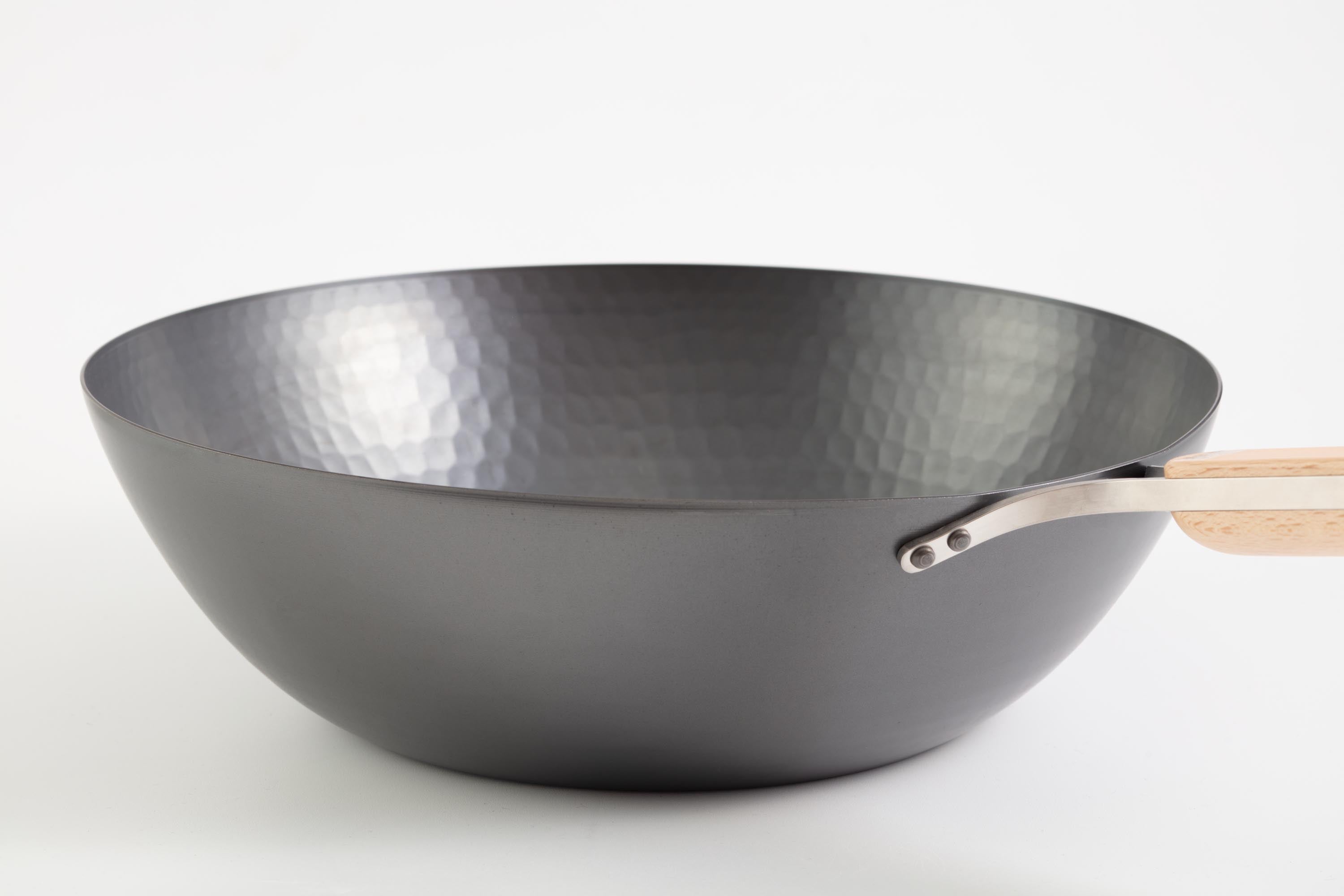
The First 30 Days with Your Carbon Steel Pan
The first month with a carbon steel pan is a calibration period. You're learning the pan, and the pan is developing its surface. What feels like a temperamental piece of equipment in week one is often a confident, reliable daily driver by week four — if you cook in it regularly and treat it reasonably.
What to Expect Early
Some sticking is normal in the first few cooks. Carbon steel is not completely nonstick out of the box the way a coated pan is — the non-stick surface builds through use. If eggs stick in week one, that's expected. By week three or four, with regular cooking, you'll notice the difference clearly — food releases more easily, the surface looks darker and more even, and the pan feels more settled.
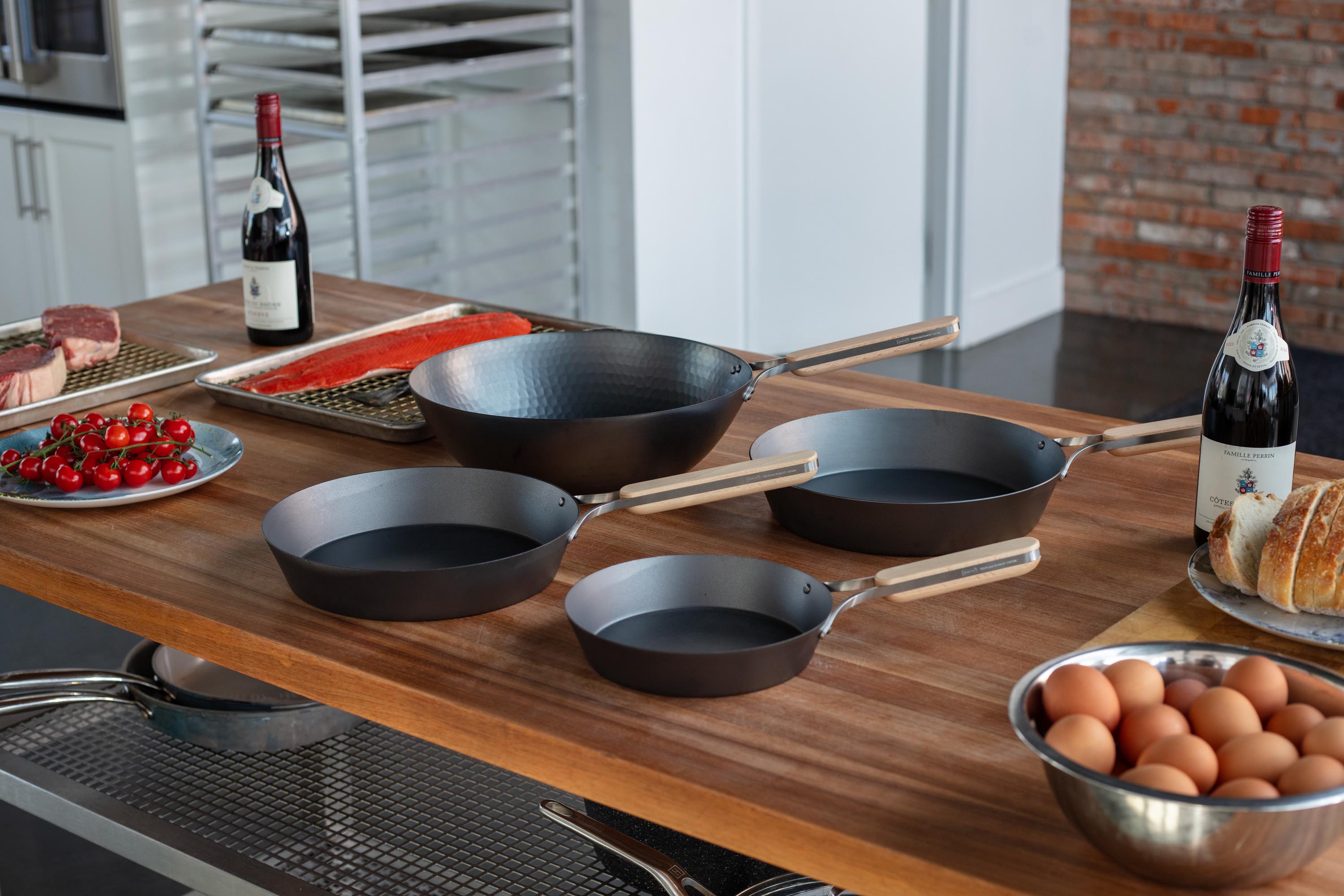
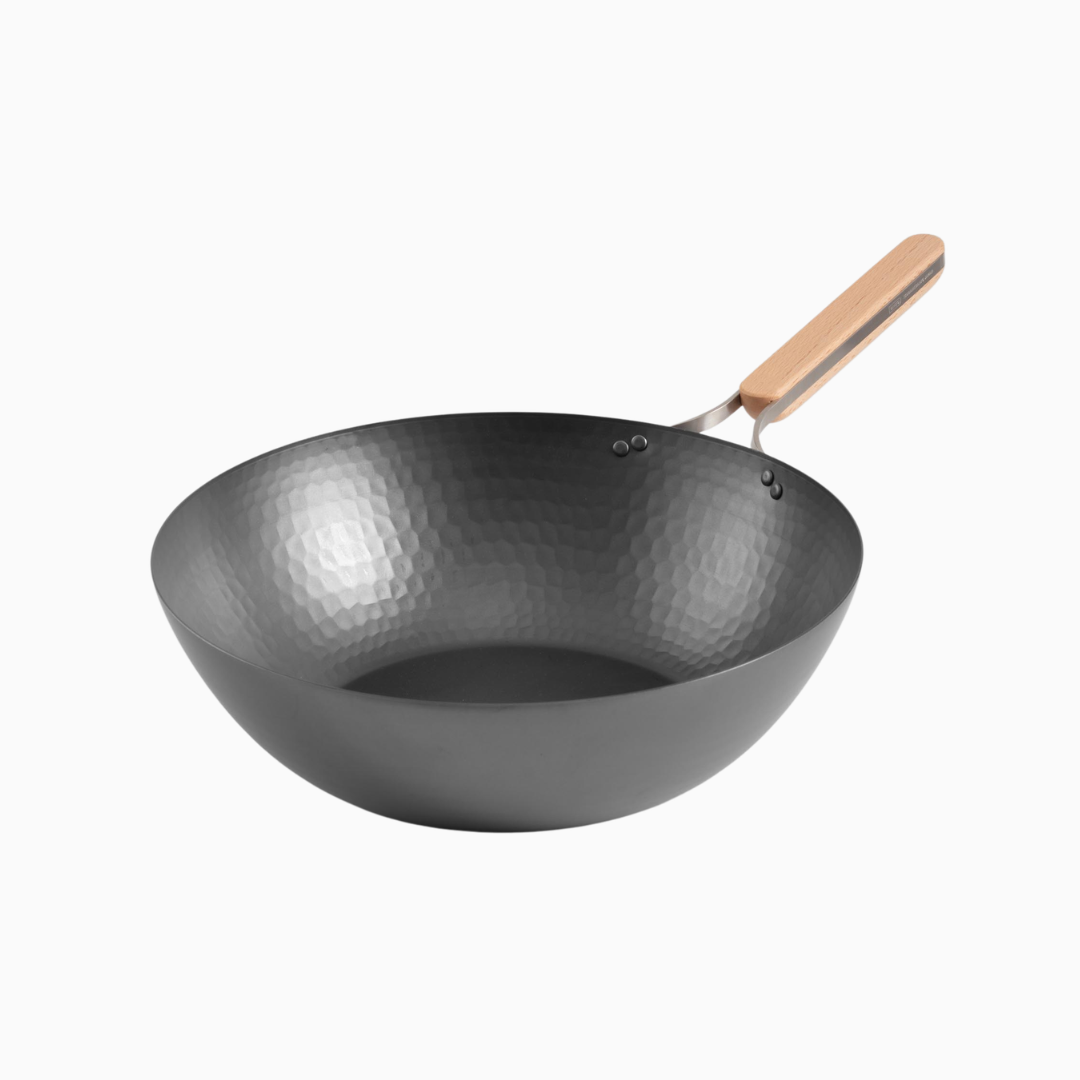
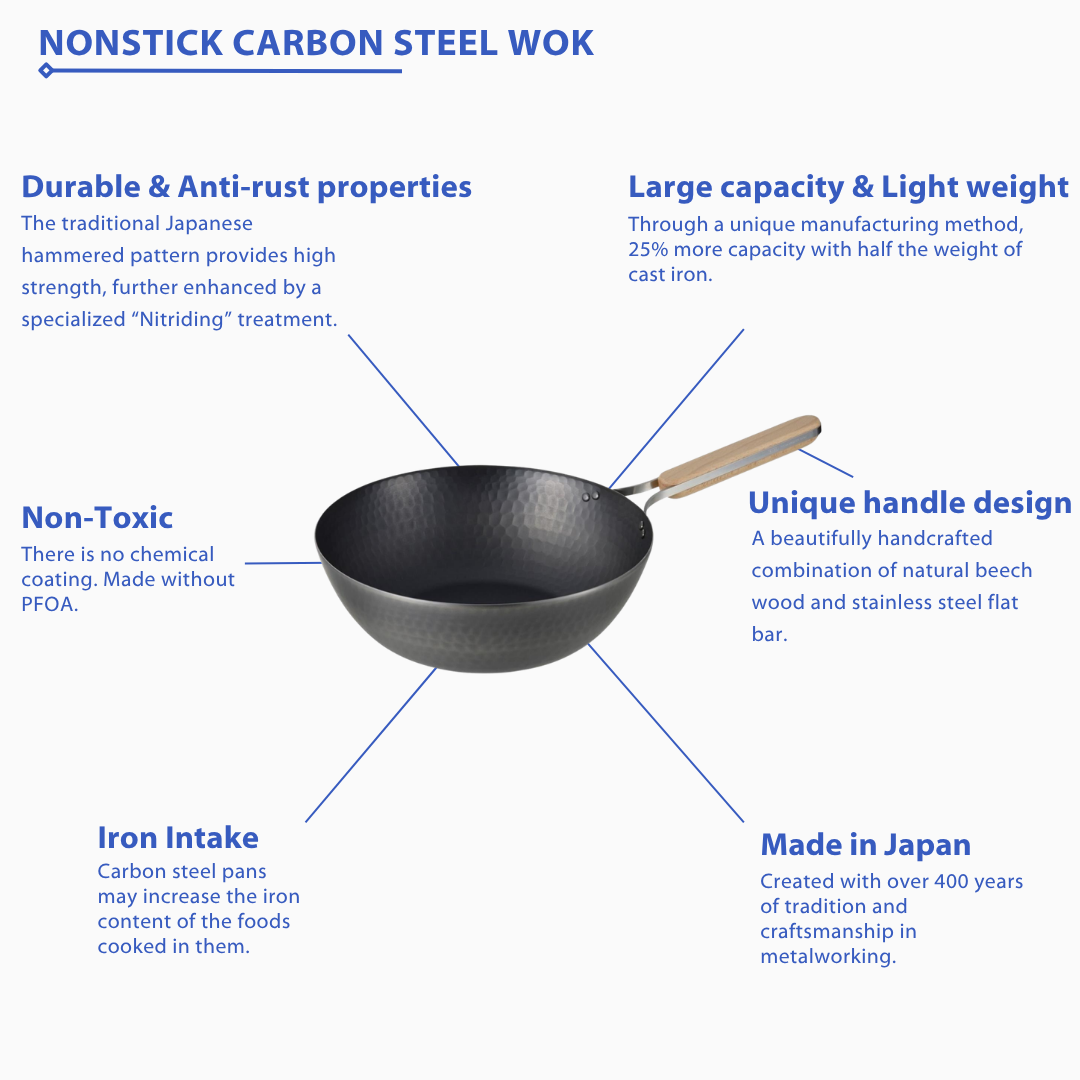
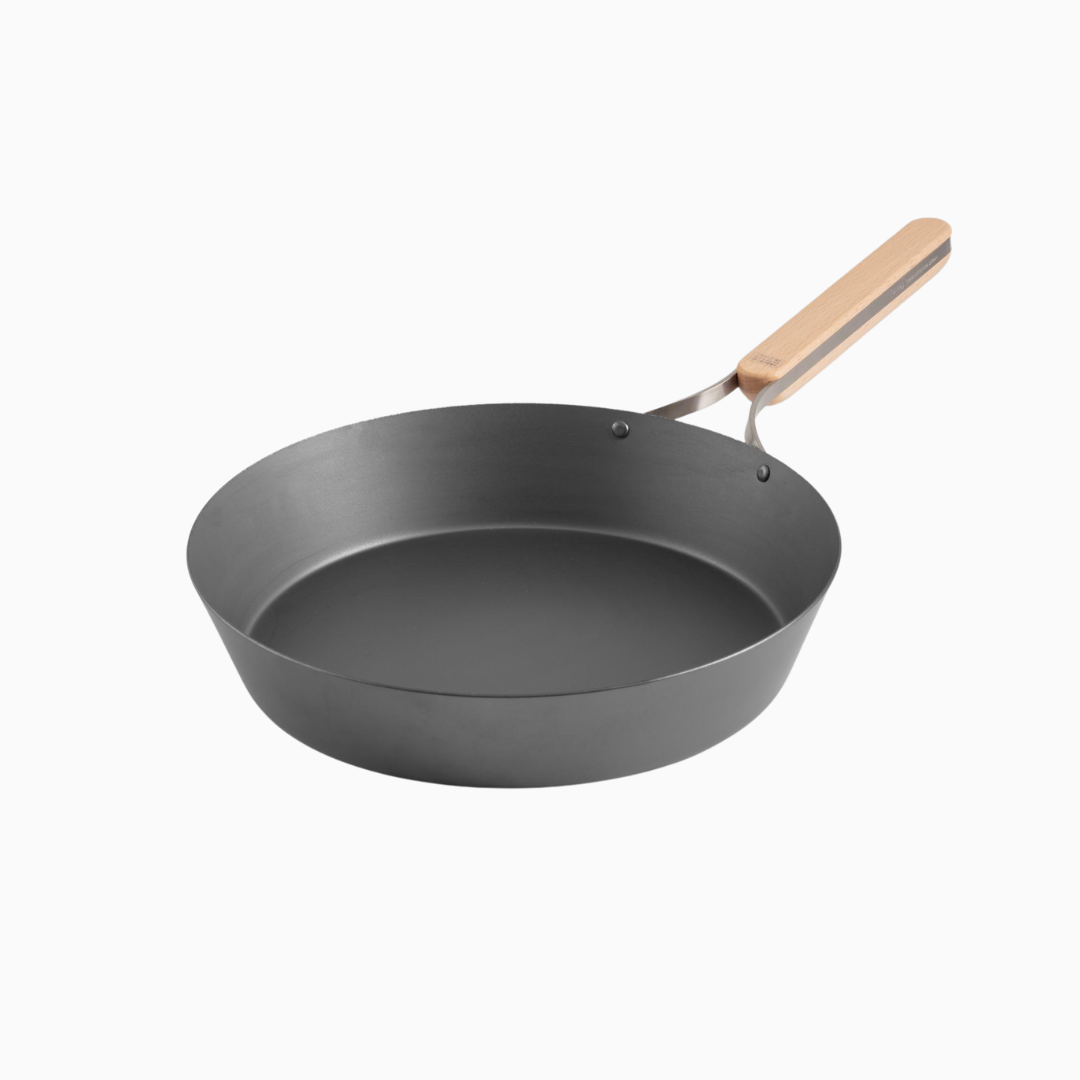
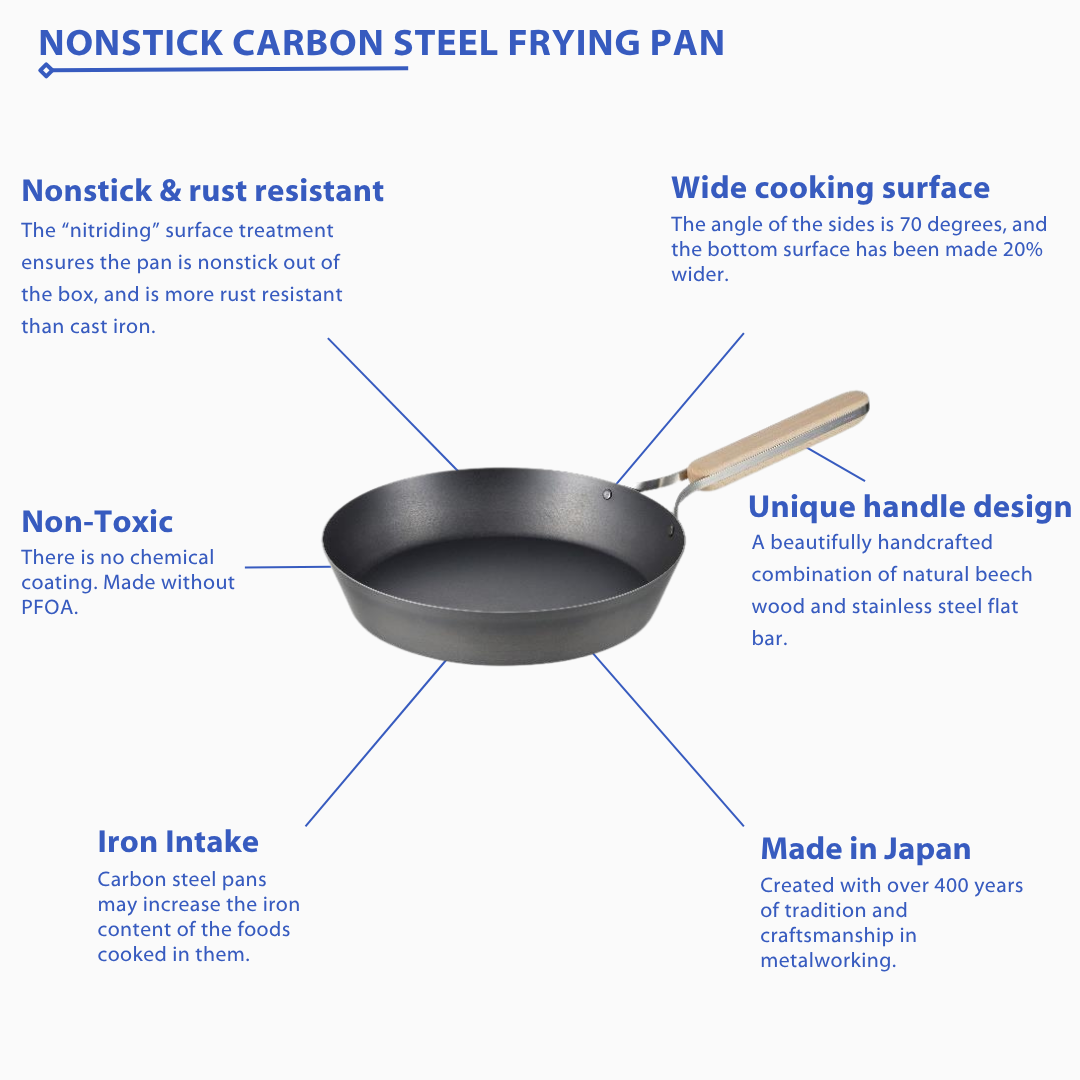
The good news: Julien nitrided carbon steel is already impressively forgiving from the first use, especially compared to stainless steel. You should not expect the helpless sticking of an unseasoned stainless pan. But patience and fat will still be your allies early on.
The Right Early Cooks
Fatty proteins build the patina fastest. Cook bacon, sausage, chicken thighs, or duck in the early days. Sauté vegetables in butter or olive oil. These cooks deposit polymerized fat onto the surface and build the layer that makes carbon steel non-stick.
Avoid tomatoes, wine-based sauces, citrus, and vinegar for the first few weeks — they can strip the developing patina. Avoid boiling water in the pan. These aren't permanent restrictions; once the patina is well-established, the pan can handle more.
Temperature Management
Carbon steel heats quickly and responds fast to changes. Julien pans respond quickly to burner changes — start over low to medium heat for two to three minutes, add oil, let it heat until it shimmers, then add food. Starting on high heat with a cold pan tends to produce uneven cooking and more sticking early on, and prolonged high heat risks warping a thin pan.
Don't be afraid of the pan. Use it. The more you cook in it, the faster it develops.
Care After Each Cook
While the pan is still warm, wipe it with a paper towel or clean cloth. If anything is stuck, add a small amount of water, heat briefly, and use a brush or wooden spatula to loosen it. Dry the pan completely — either over low heat on the stove for a minute or with a towel. Apply a very thin coat of oil and rub it in. That's the entire process.
Done consistently, this keeps the pan in good condition and gradually deepens the patina. Skip the drying step and you risk rust. Skip the oil and the surface develops more slowly. Both are easy habits once established.
Start your first 30 days with the Julien Enzo. Every cook makes it better.