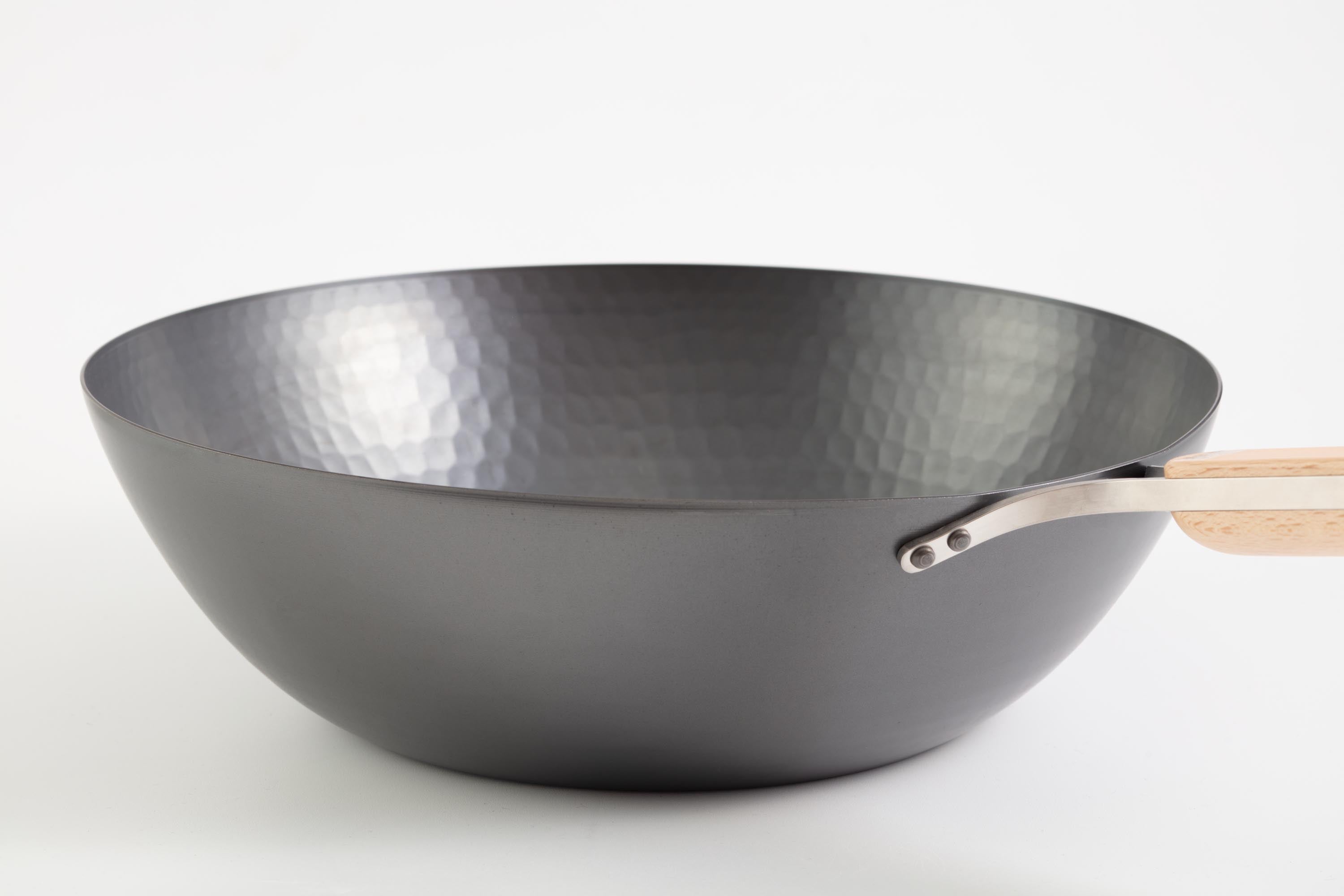
How to Season Carbon Steel Without Overthinking It
Seasoning carbon steel has acquired a suspicious amount of drama on the internet. There are rituals, charts, oil debates and photos of pans that look like polished black mirrors. Lovely, but unnecessary. For everyday cooking, seasoning is simple: apply a very thin layer of oil, heat it until it bonds to the surface, and then cook often.
What seasoning actually is
Seasoning is a thin layer of polymerized oil on the pan surface. It helps protect the steel and improves food release. It is not the same as a synthetic coating. It can wear, patch, improve, dull, return and rebuild. That is why carbon steel is forgiving: you are allowed to fix it.
The stovetop method
- Wash and dry the pan completely.
- Place it over medium heat for a minute to remove hidden moisture.
- Add a small amount of neutral high-heat oil to a paper towel.
- Wipe the oil across the cooking surface, then wipe again as if you are trying to remove it. The layer should look almost invisible.
- Heat until the surface lightly smokes, then let it continue for a few minutes.
- Turn off the heat and let the pan cool.
- Repeat once or twice if desired, or simply start cooking.
The most common mistake
Too much oil. A thick layer becomes sticky, blotchy and frustrating. Thin is not just better; thin is the point. If your pan feels tacky after seasoning, the oil layer was probably too heavy or not heated long enough. Clean the sticky area and try again with less oil.
Best oils for seasoning
Use a neutral oil that can handle heat well: grapeseed, canola, sunflower or avocado oil are all practical options. The exact oil matters less than the technique. Use a tiny amount, wipe it thin and heat it properly. Too much oil creates sticky patches; a whisper-thin layer creates better seasoning.
Seasoning through cooking
The nicest way to season a pan is to use it. Make onions, potatoes, mushrooms, pancakes, flatbreads, chicken thighs, tofu or fried rice. Each good cook adds a little more character. A pan that is used often usually seasons better than a pan that is lovingly seasoned and then nervously ignored.
When to reseason
- Julien note: A seasoned pan does not need to look perfect. It needs to cook well.
- After removing rust.
- After a heavy scrub.
- When the surface looks dry and grey.
- When food starts sticking more than usual despite good heat control.
- After accidentally cooking a long acidic sauce.