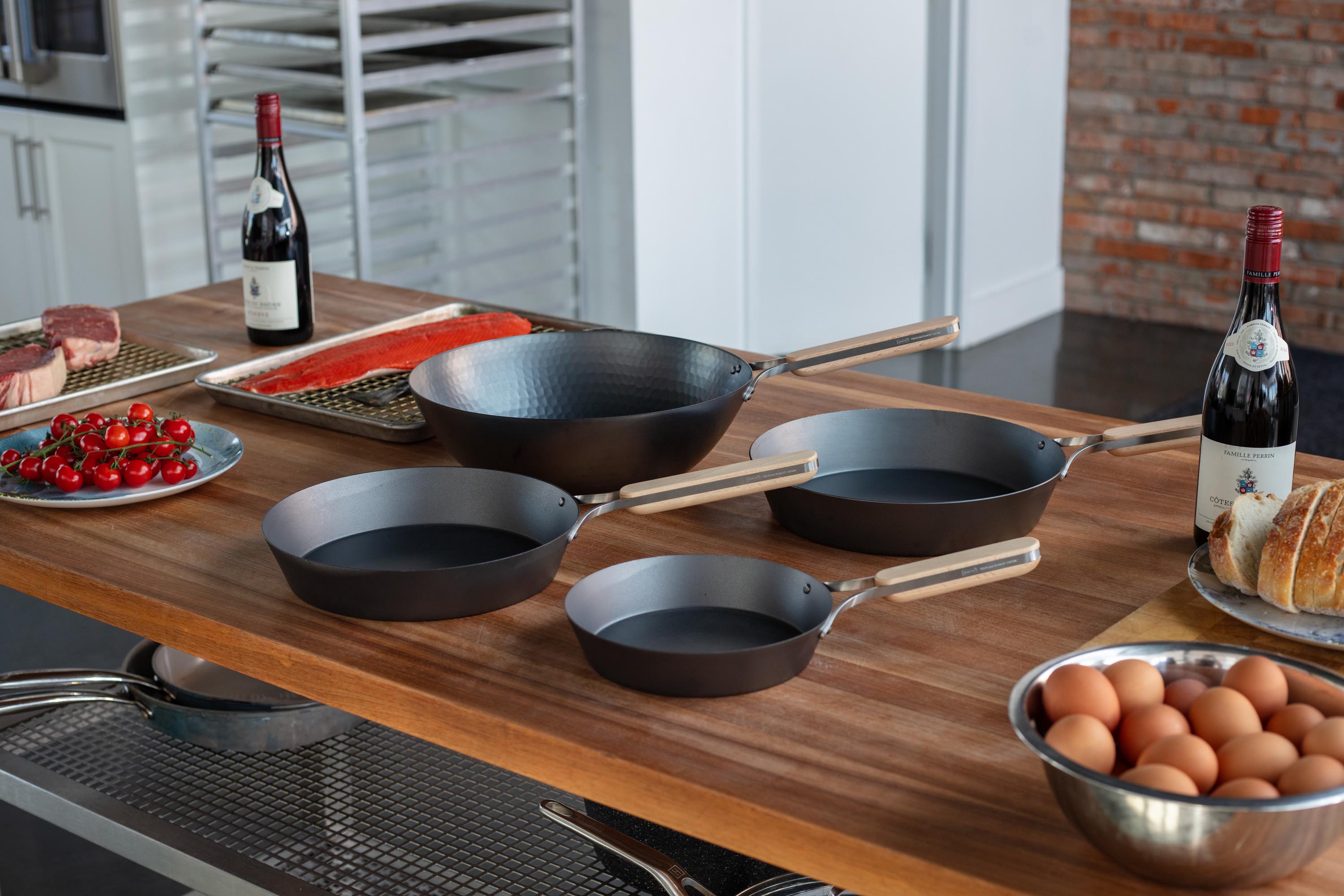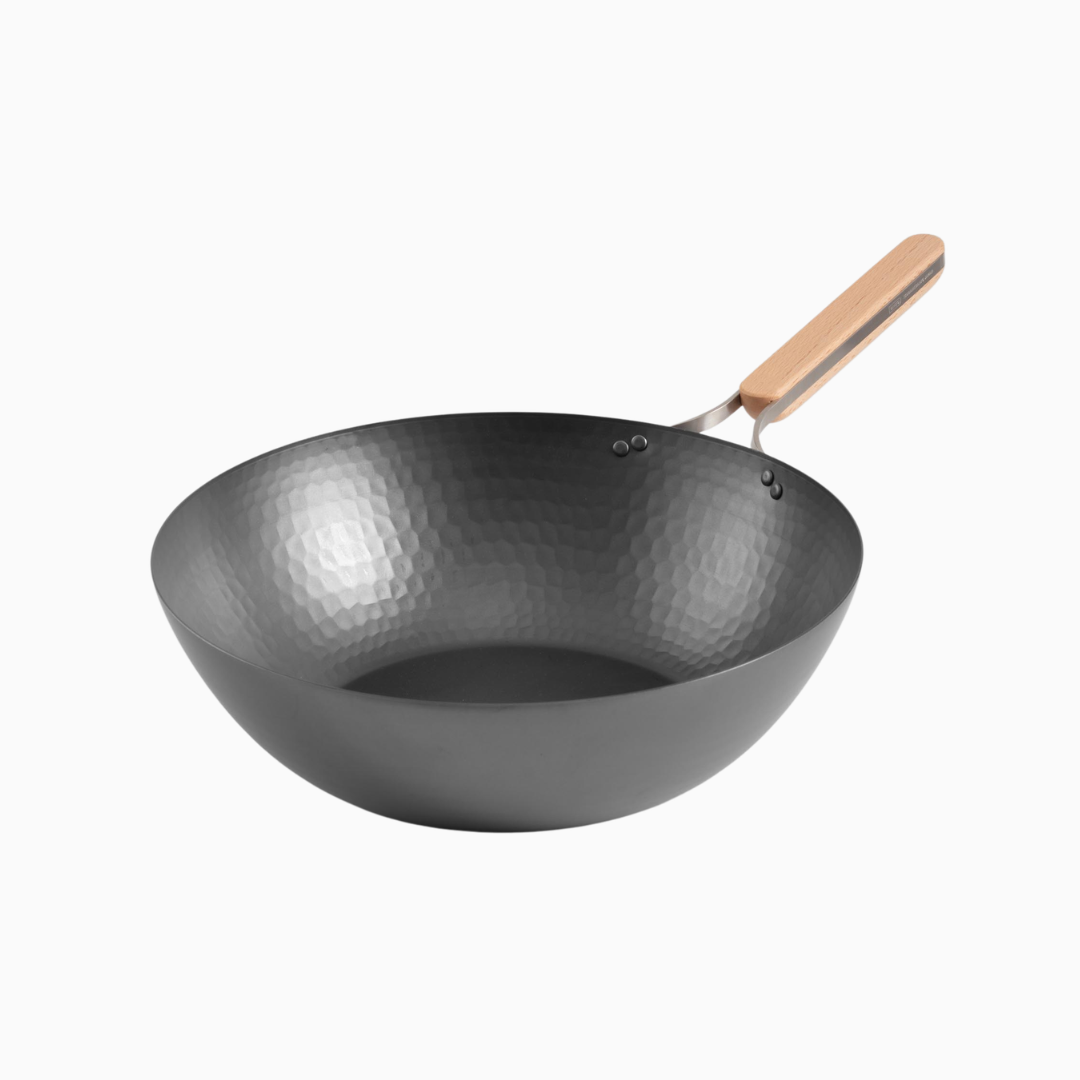
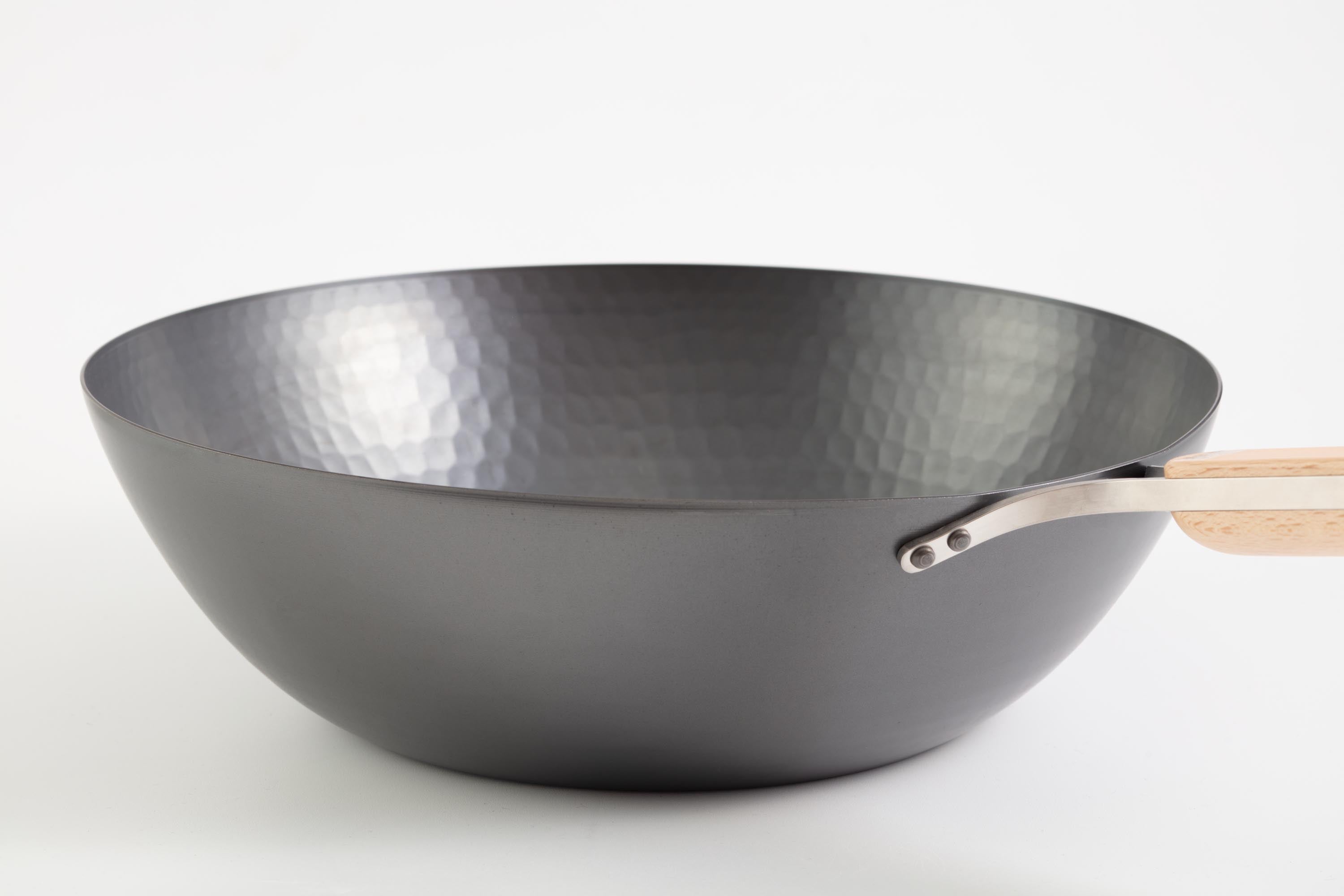
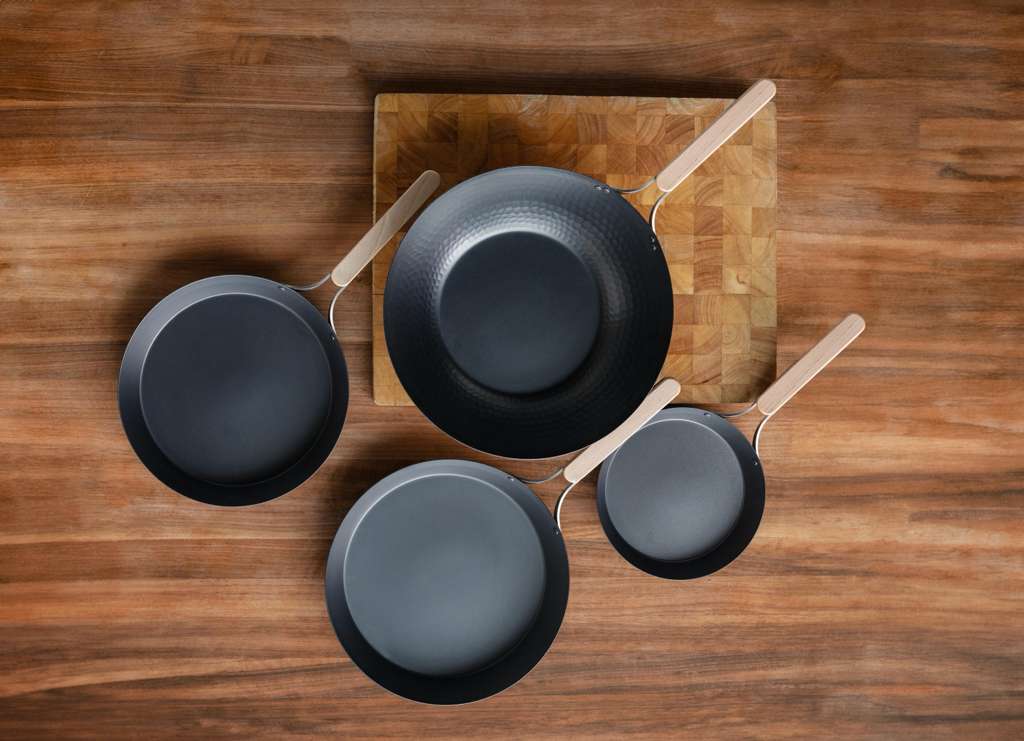
Carbon Steel 101: Why This Old-School Pan Belongs in a Modern Kitchen
Carbon steel has the slightly unfair reputation of being "serious cookware." It sounds like something a restaurant cook would know how to use and a normal person would be expected to admire from a safe distance. In reality, carbon steel is one of the most practical surfaces a home cook can own. It heats quickly, responds quickly, sears beautifully and becomes more naturally nonstick the more you cook with it.
Think of it as the lively cousin of cast iron: similar ability to develop seasoning, but generally lighter, faster to heat and easier to move from burner to sink to table. A Julien carbon steel pan is meant for the weeknight cook as much as the weekend steak person. It is for eggs, vegetables, fish, chicken thighs, leftovers, fried rice and that brave little experiment you try on a Tuesday.
What carbon steel is
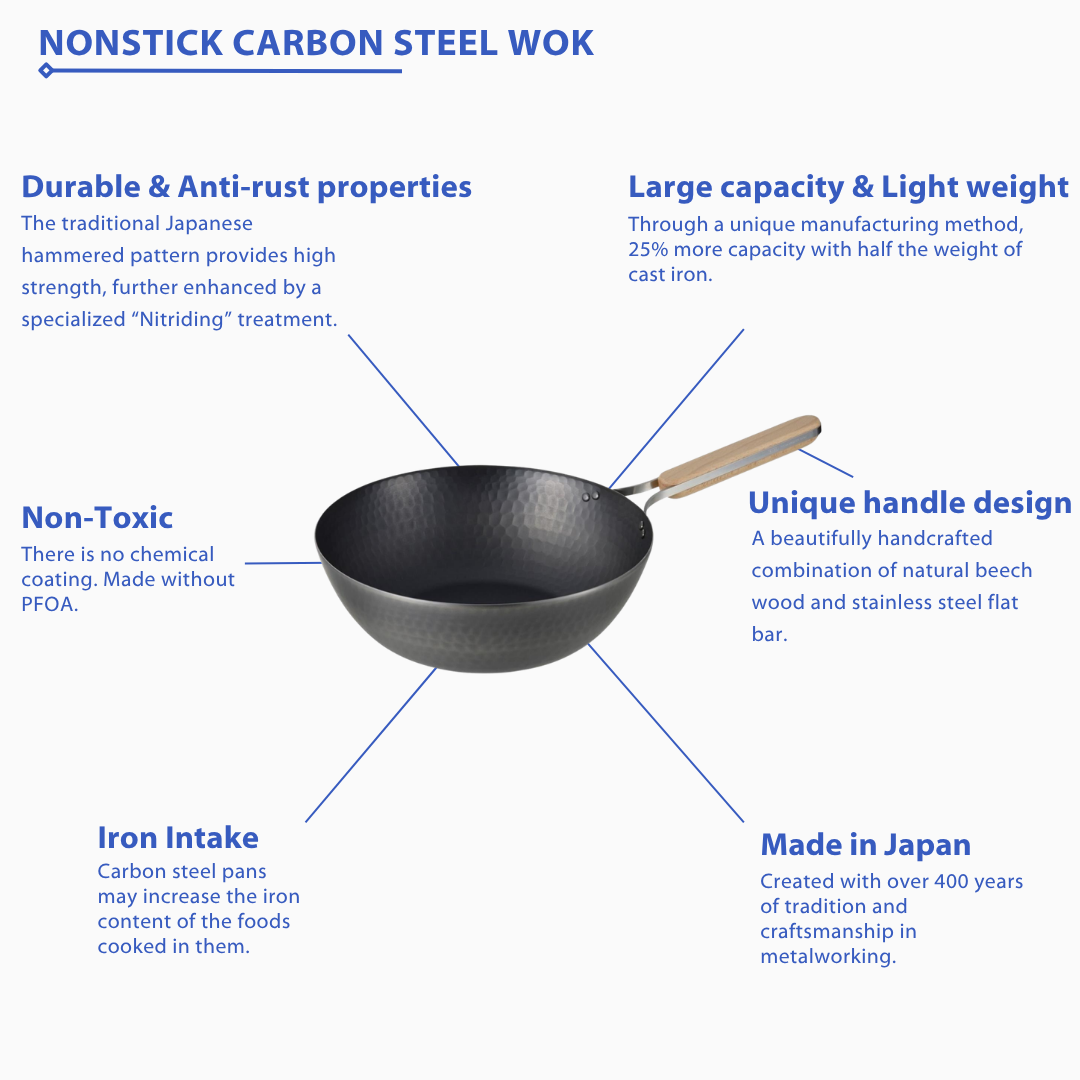
Carbon steel is mostly iron with a small amount of carbon. That simple composition is the source of its charm. There is no synthetic nonstick coating to baby, no fragile surface that needs to be treated like a museum object and no single "correct" cuisine. With heat, oil and use, the pan develops a seasoned layer that helps food release and gives the surface its dark, lived-in patina.
Why cooks like it
-
It gets hot enough for proper browning, searing and stir-frying.
-
It responds quickly when you raise or lower the heat, which helps with delicate foods.
-
It can move from gentle eggs to hard-seared mushrooms without changing pans.
-
It is repairable: if the seasoning gets patchy, you can clean it, oil it and build it back.
-
It rewards use. The more you cook, the more personal the pan becomes.
What to expect at first
A new carbon steel pan is not meant to stay showroom-perfect. Its colour will change. Its surface will darken. A few bronze, blue, brown and black marks are not signs of failure; they are signs that the pan is becoming yours. If you are used to a pan that looks the same on day 500 as it did on day one, this can take a moment. The best thing you can do is cook.
What carbon steel does especially well
Use it when you want browning. That means crispy eggs, charred vegetables, salmon with a proper crust, steak, chicken thighs, tofu, mushrooms, potatoes, fried rice and quick sautéed greens. It also shines for one-pan cooking because it can start hot, calm down, and then go back up again without feeling sluggish.
What it does not love
Carbon steel is not a set-it-and-forget-it soup pot. Long acidic simmers, dishwasher cycles and soaking overnight are not its friends. Tomato sauce for ten minutes is one thing; tomato sauce forgotten on the counter until tomorrow is another. Treat the pan like a good knife: use it hard, clean it promptly, dry it well and give it a little oil when it needs it.
Julien note: Carbon steel is not about perfection. It is about building a pan that cooks better because you keep using it.
The simple starter routine
That is the whole secret. Heat, oil, patience, cleaning, drying. Carbon steel is not difficult; it is just honest. It tells you when the heat is wrong, when the food is too wet and when you tried to flip something before it was ready. Learn its cues and it will quietly make you a better cook.
-
Preheat the pan gently for a minute or two rather than blasting it from cold.
-
Add oil when the pan is hot, then add food when the oil shimmers.
-
Let proteins and vegetables sit long enough to brown before moving them.
-
Clean with warm water, a soft brush or sponge, and mild soap when needed.
-
Dry thoroughly, warm briefly on the stove, and wipe on a whisper-thin layer of oil.
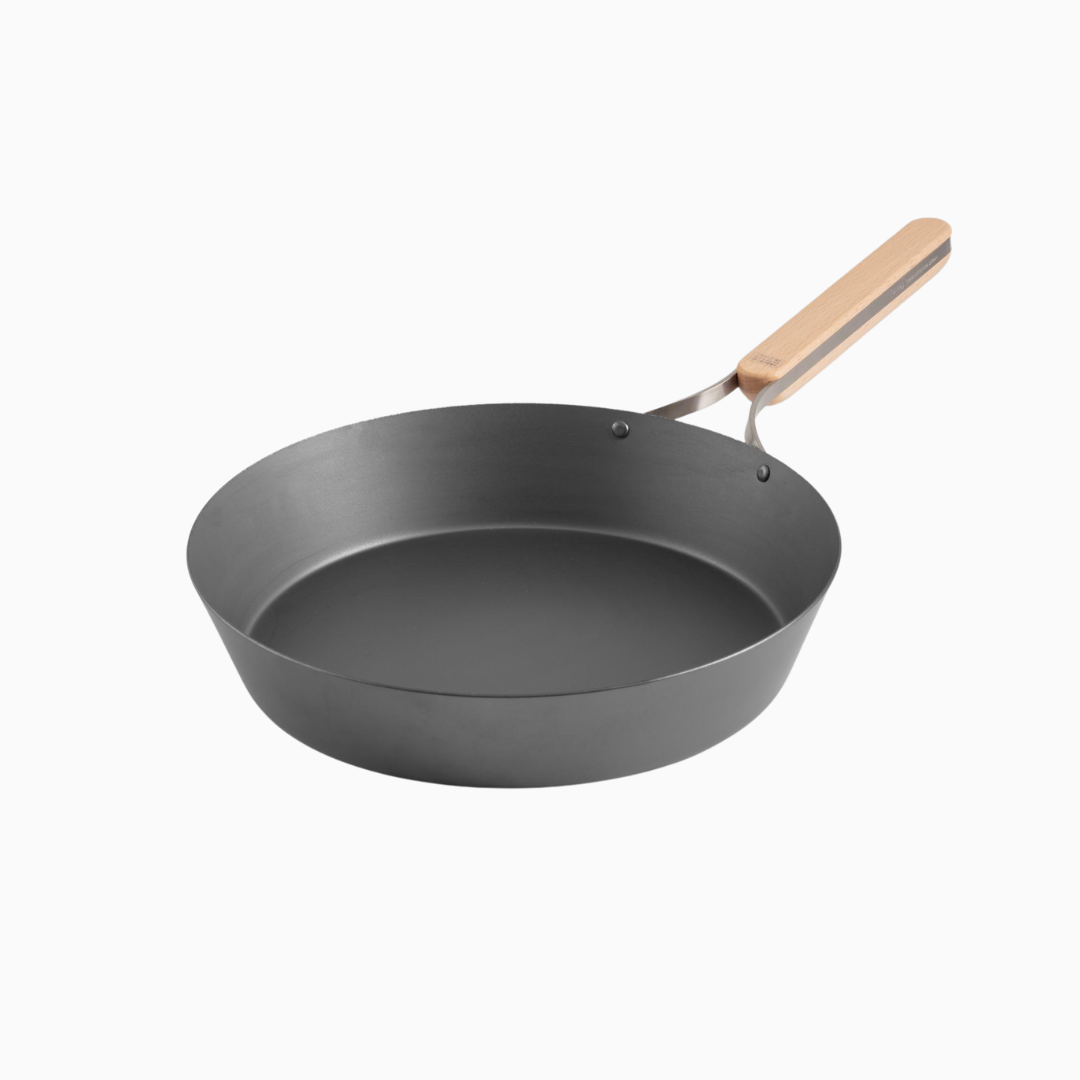
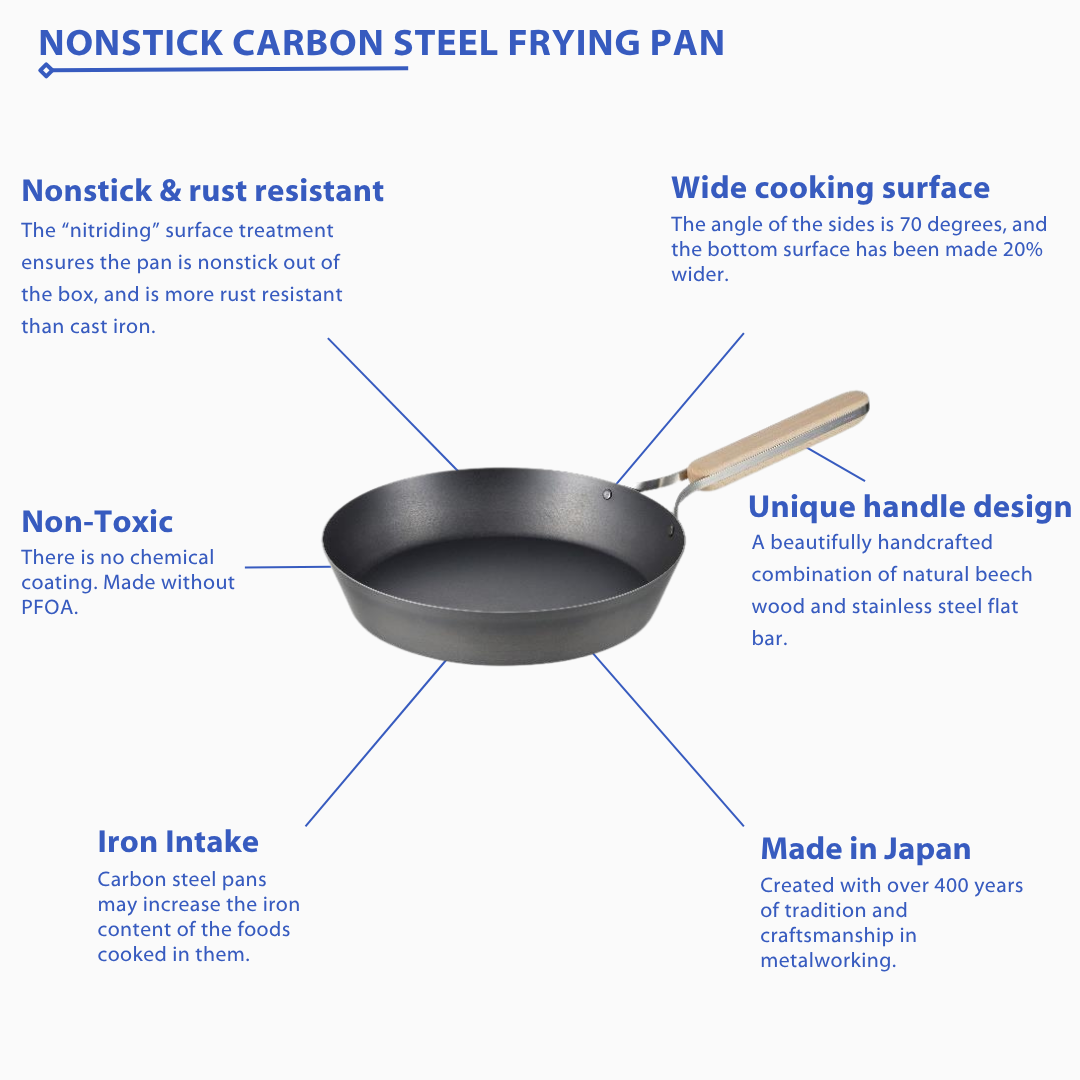
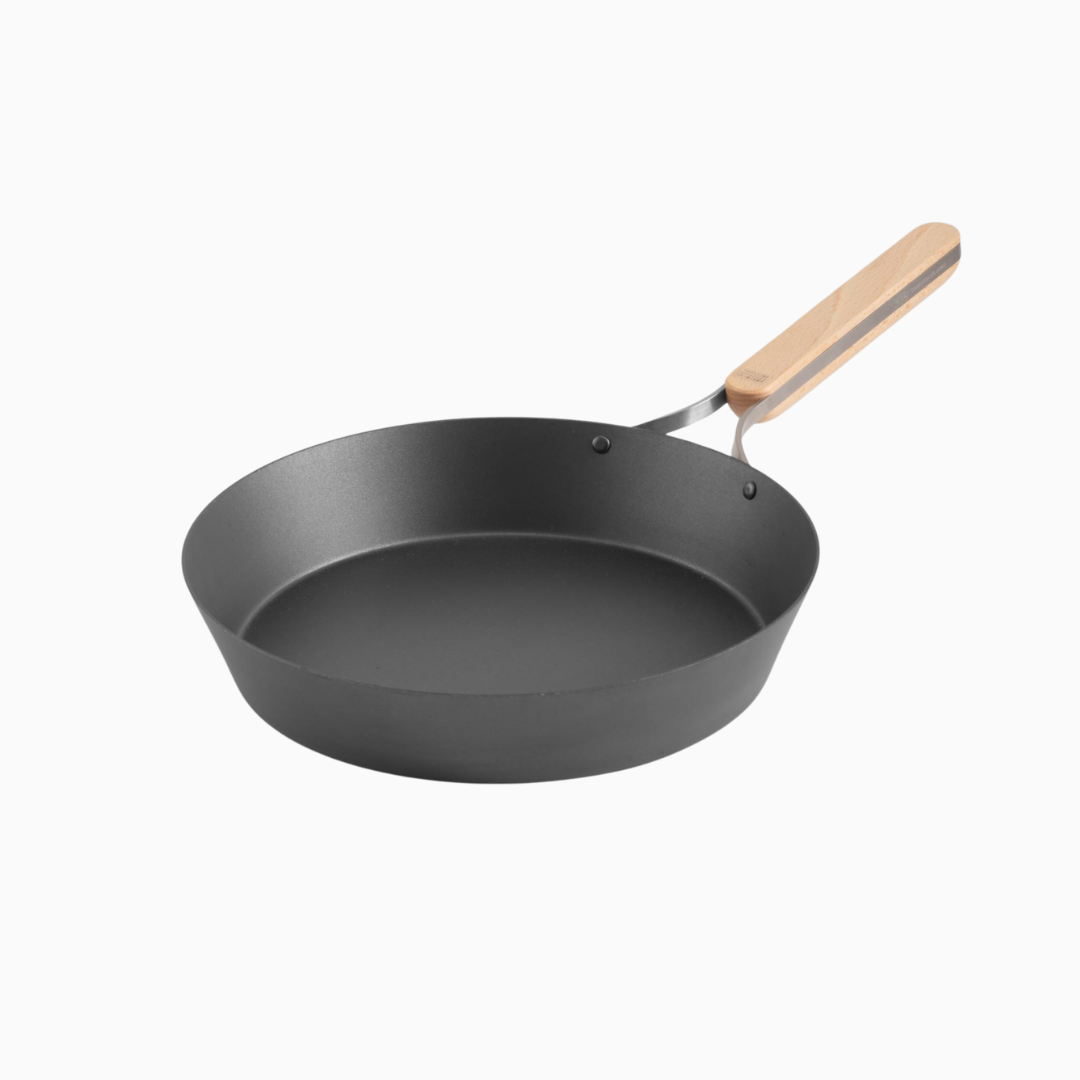
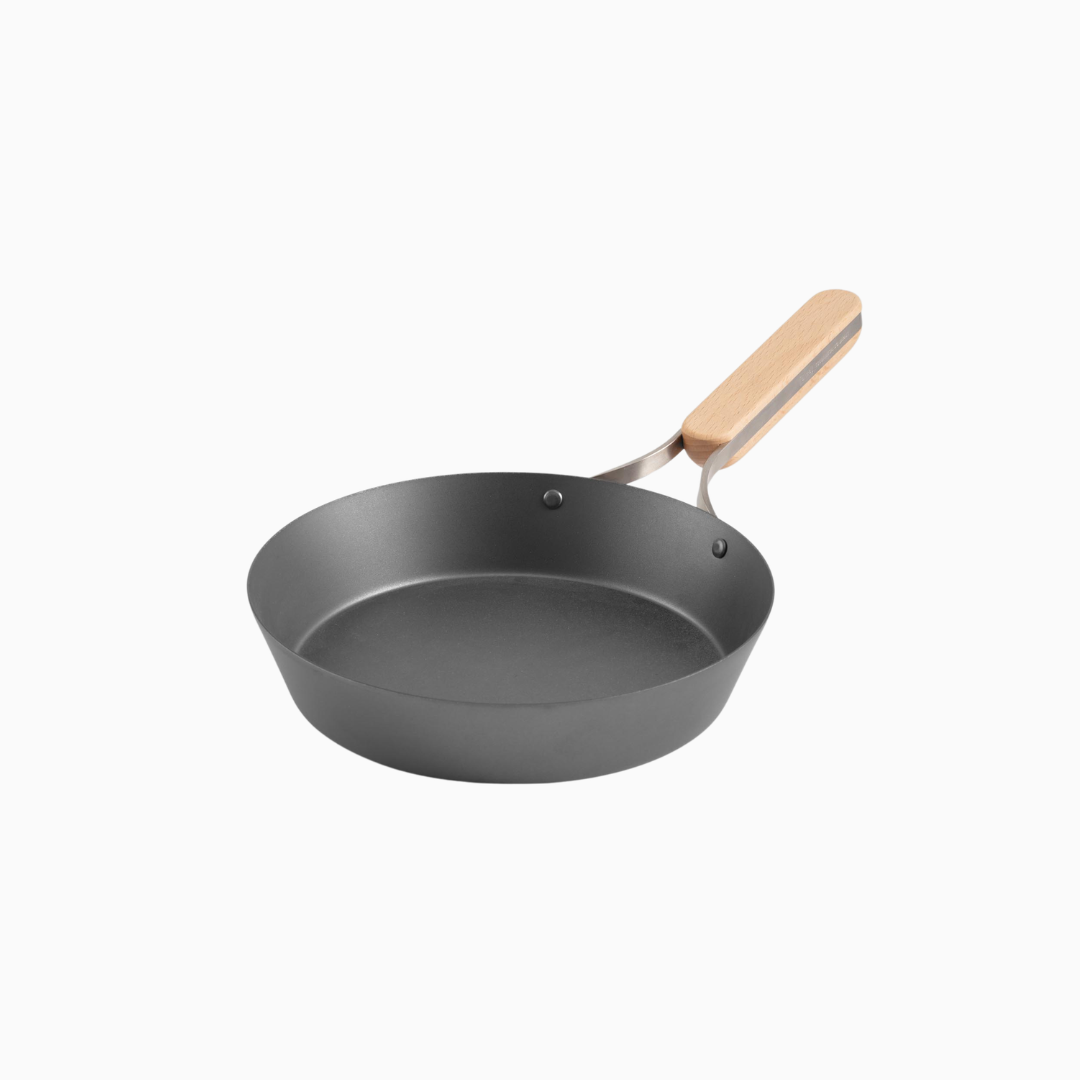
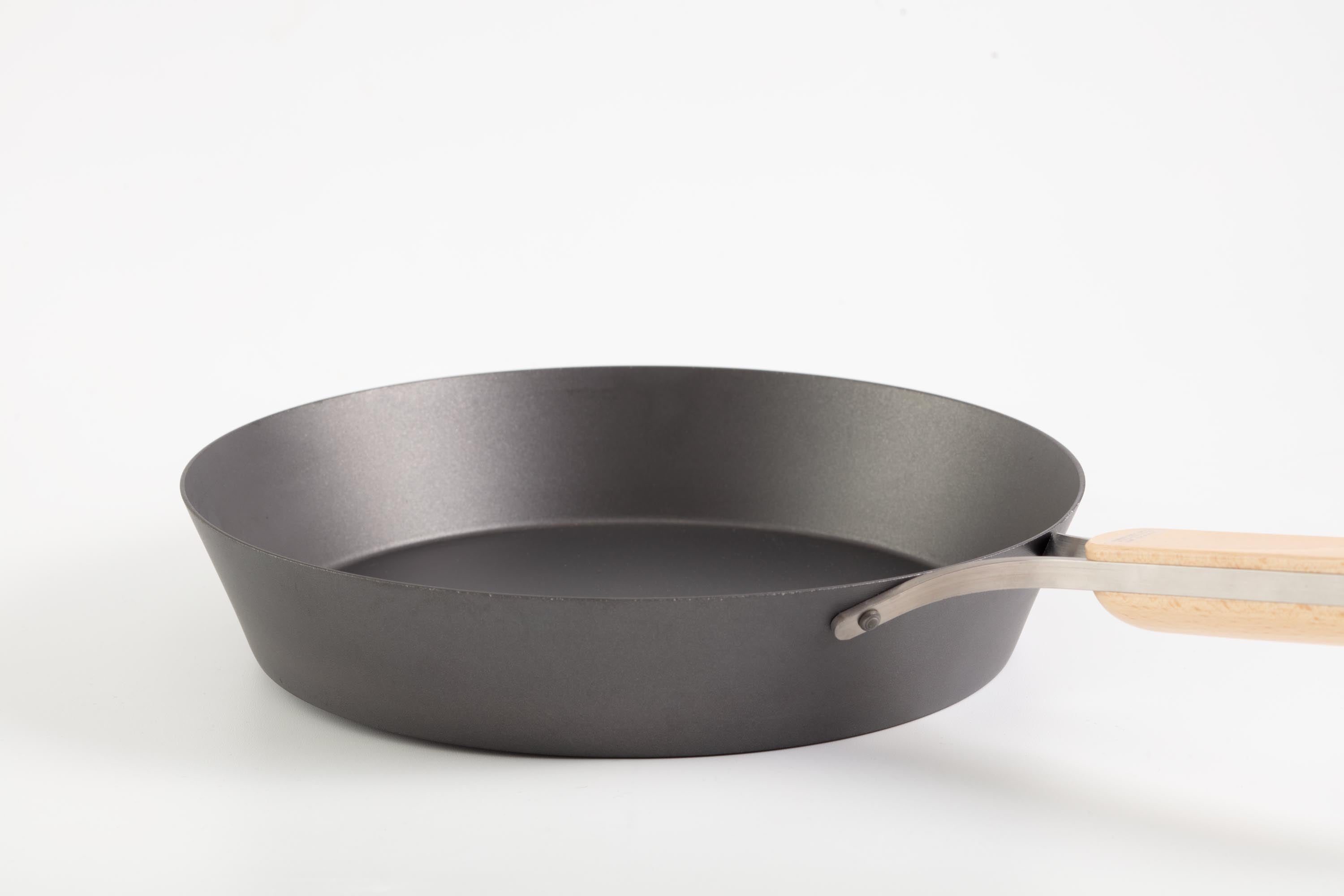
Start with the Enzo 10" Nitrided Carbon Steel Frying Pan as a good first pan.