The short answer
- The best non-toxic cookware splits into two camps: coating-free metal (carbon steel, cast iron, stainless) and PFAS-free ceramic coatings.
- Coating-free pans have nothing to wear off, so they last indefinitely. Ceramic coatings are convenient but degrade, typically over one to three years.
- "Non-toxic" as a marketing word means nothing on its own. Trust either no coating at all, or a brand that publishes third-party testing.
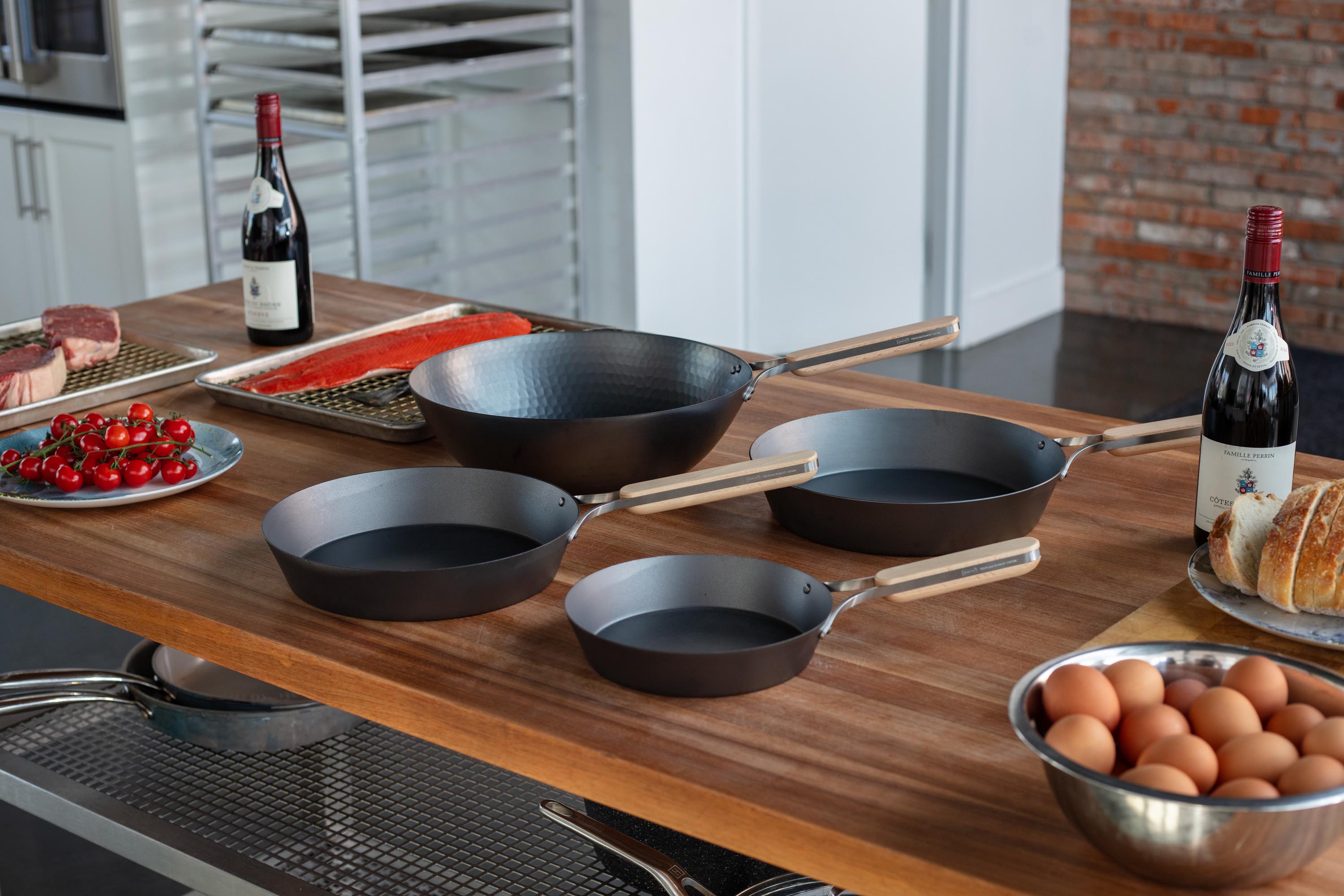
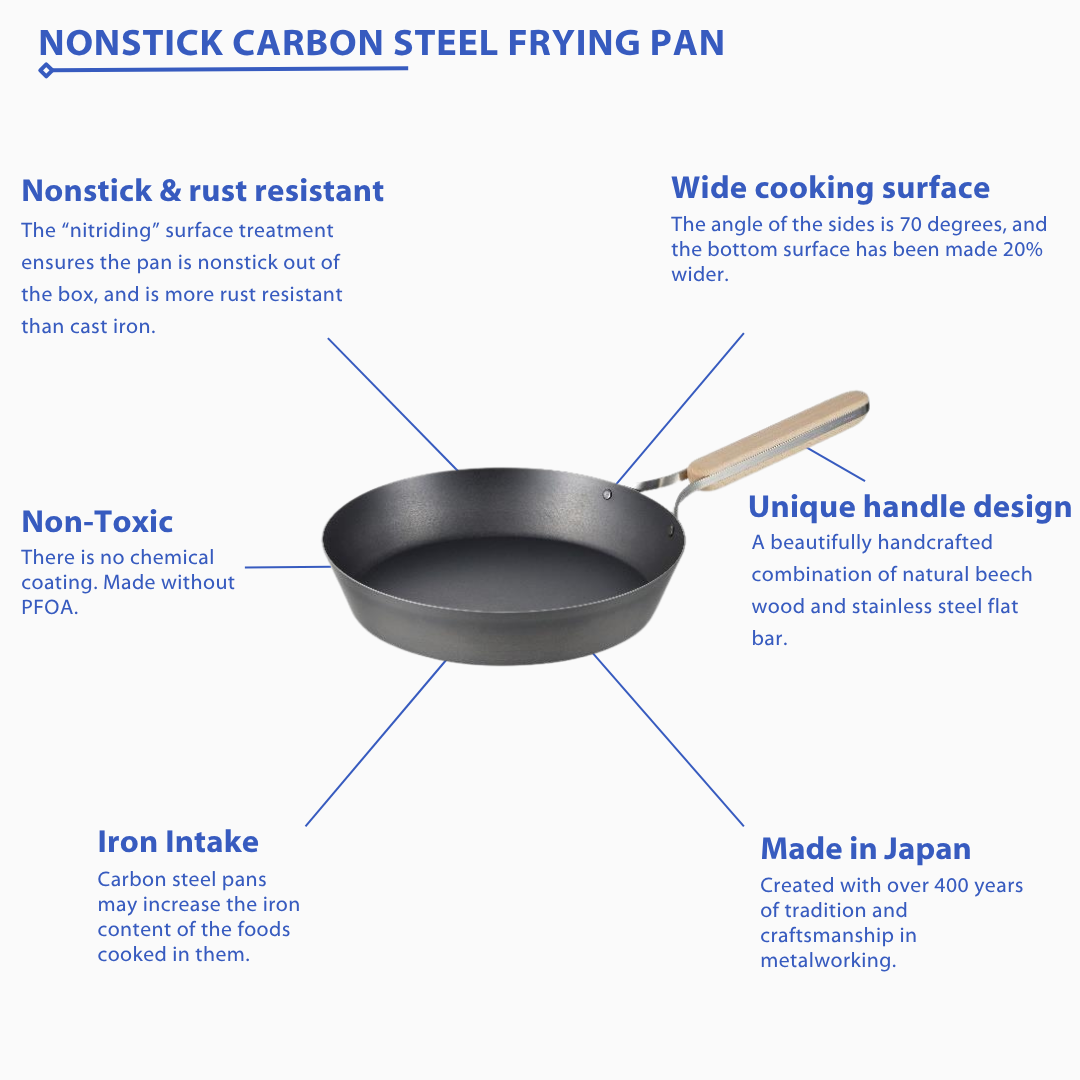
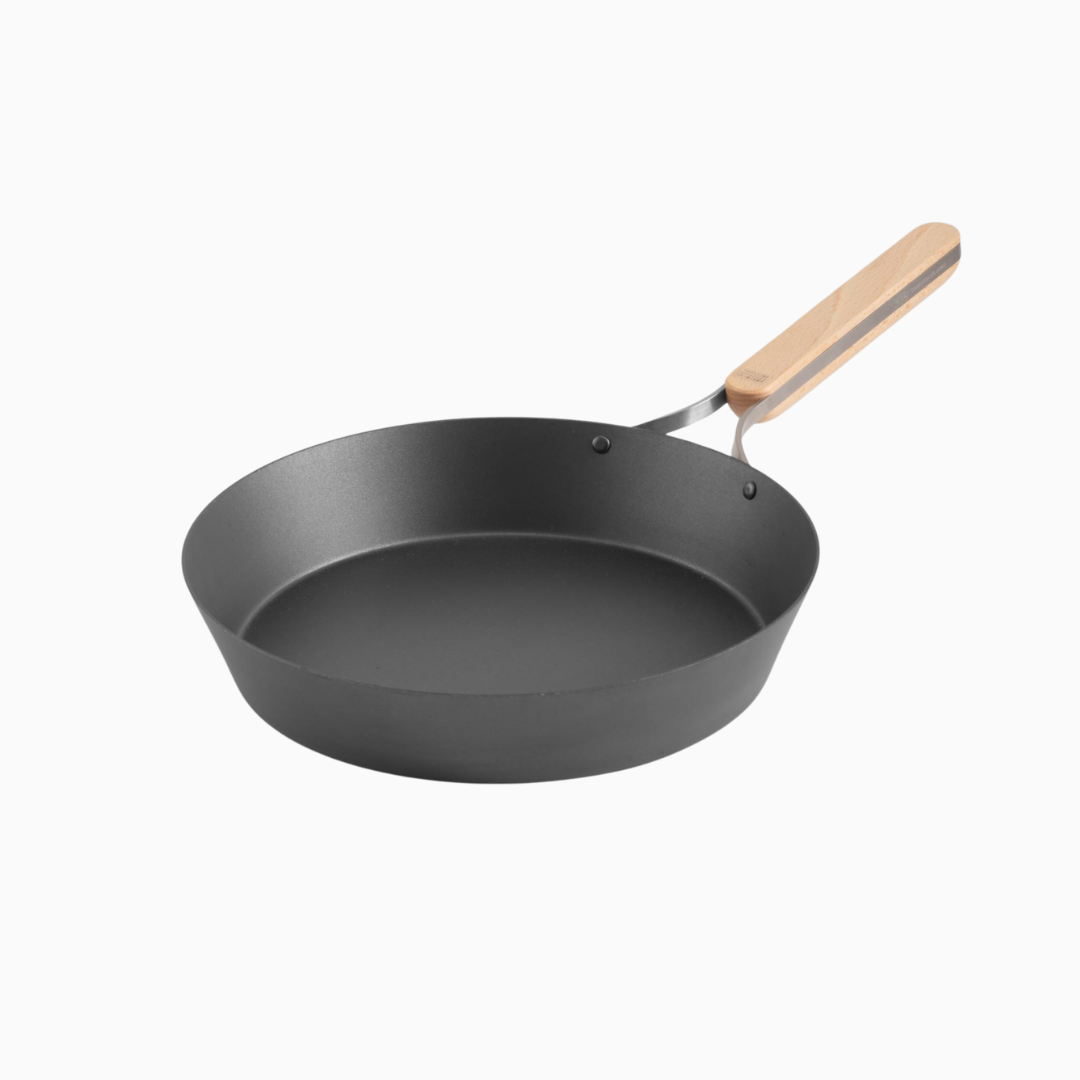
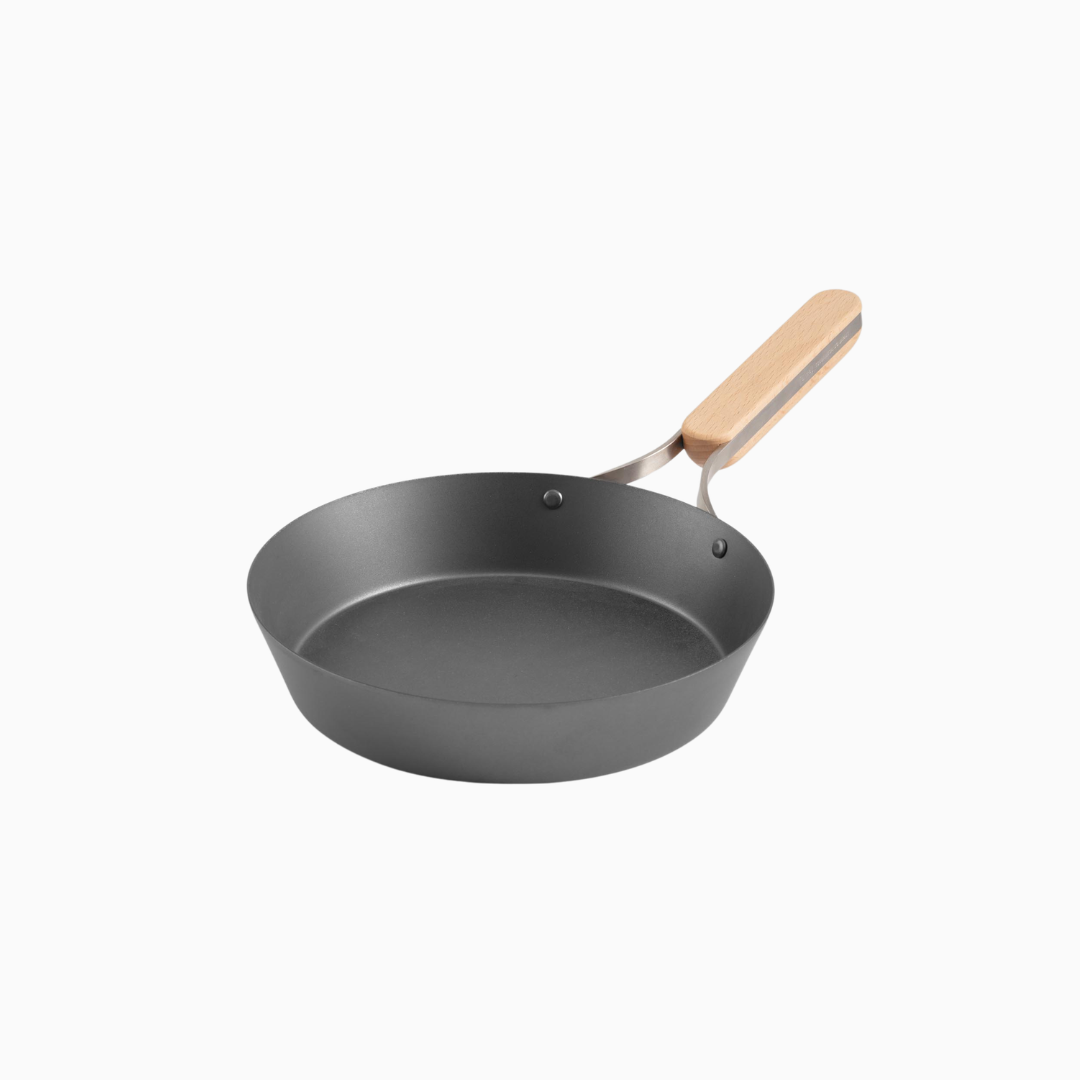
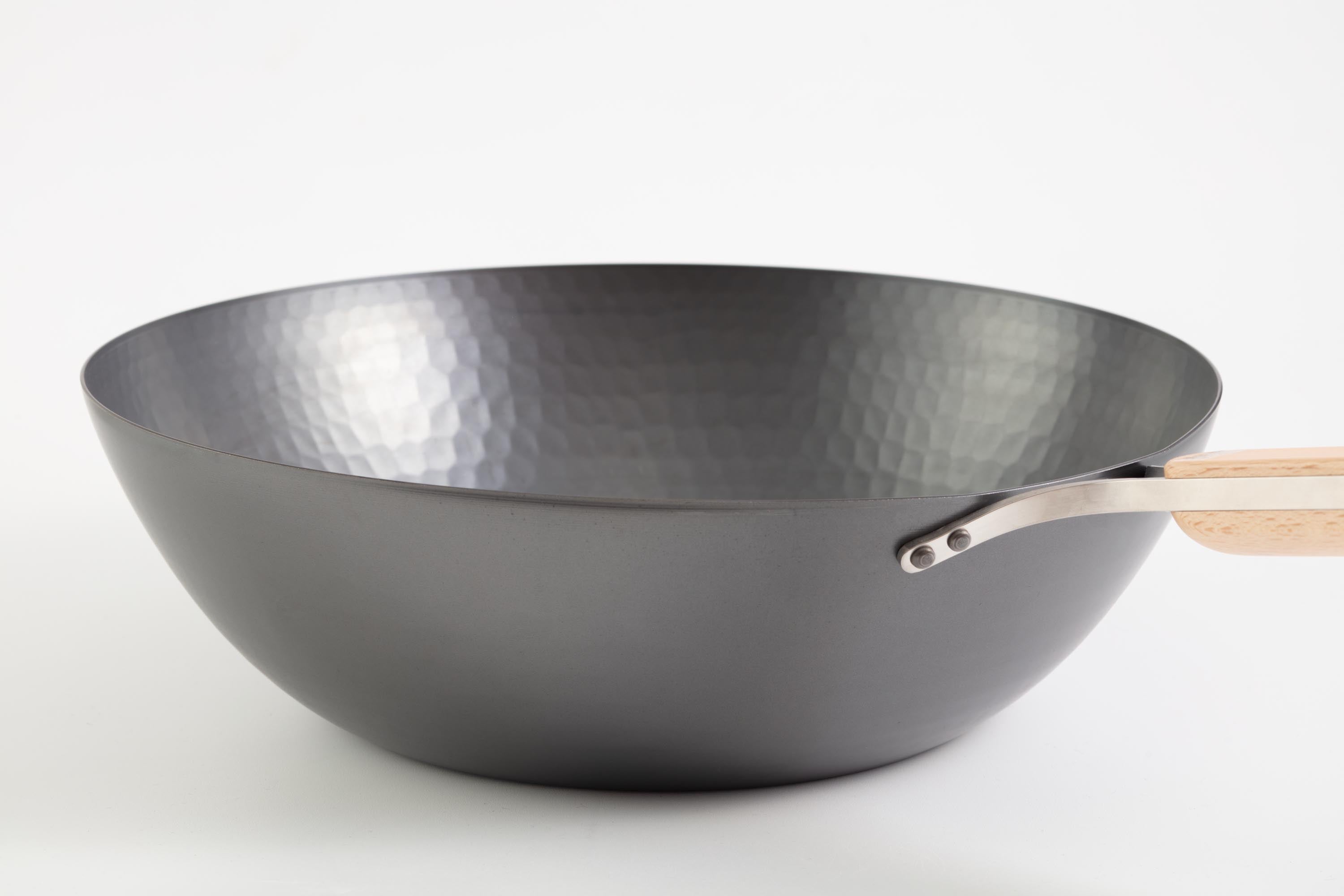
- Our top coating-free pick for low-maintenance daily cooking is the Julien Enzo: nitrided carbon steel, no synthetic coating, pre-seasoned, made in Japan.
Shopping for "non-toxic cookware" in 2026 is mostly an exercise in reading between the lines. Almost every pan on the market now calls itself non-toxic, and the phrase is not regulated. So it does not tell you much. What actually matters is simpler: either the pan has no coating to break down, or the maker publishes real test results showing what its coating is made of. Everything else is decoration.
There are two honest ways to get a safe cooking surface. The first is to use bare metal and skip coatings entirely. The second is to use a modern PFAS-free ceramic coating and accept that it will wear out. Both are legitimate. They just suit different cooks. Below are our picks in each camp, with a fair "best for" label so you can find the one that fits how you actually cook.
What makes cookware actually non-toxic?
The worry most people are trying to avoid is PFAS, the family of "forever chemicals" associated with traditional PTFE (Teflon-style) nonstick. Older nonstick was also made with PFOA. The reasonable, non-alarmist position is this: you do not need to panic about a pan you already own, but if you are buying new, it is easy to sidestep the question entirely.
Coating-free metal has zero PFAS risk because there is no coating in the first place. Ceramic-coated pans are PFAS-free too, but "ceramic" is a mineral-based coating that sits on top of metal, and coatings are consumables. They lose their slip over time. That is the honest trade-off that runs through this whole guide. For a deeper walk through the chemistry and the caveats, see our non-toxic cookware guide.
Camp one: coating-free cookware (nothing to wear off)
This is the durable end of the market. Carbon steel, cast iron, and stainless steel have no surface layer that can flake, chip, or degrade. Season them or use a little fat, and they can outlast you. The cost is a bit of care and a short learning curve.
Julien Enzo carbon steel — best for low-maintenance daily cooking
Carbon steel is iron with a little carbon: lighter and more responsive than cast iron, and magnetic, so it works on induction. It gets its non-stick from seasoning, a thin layer of polymerized oil that builds up with use.
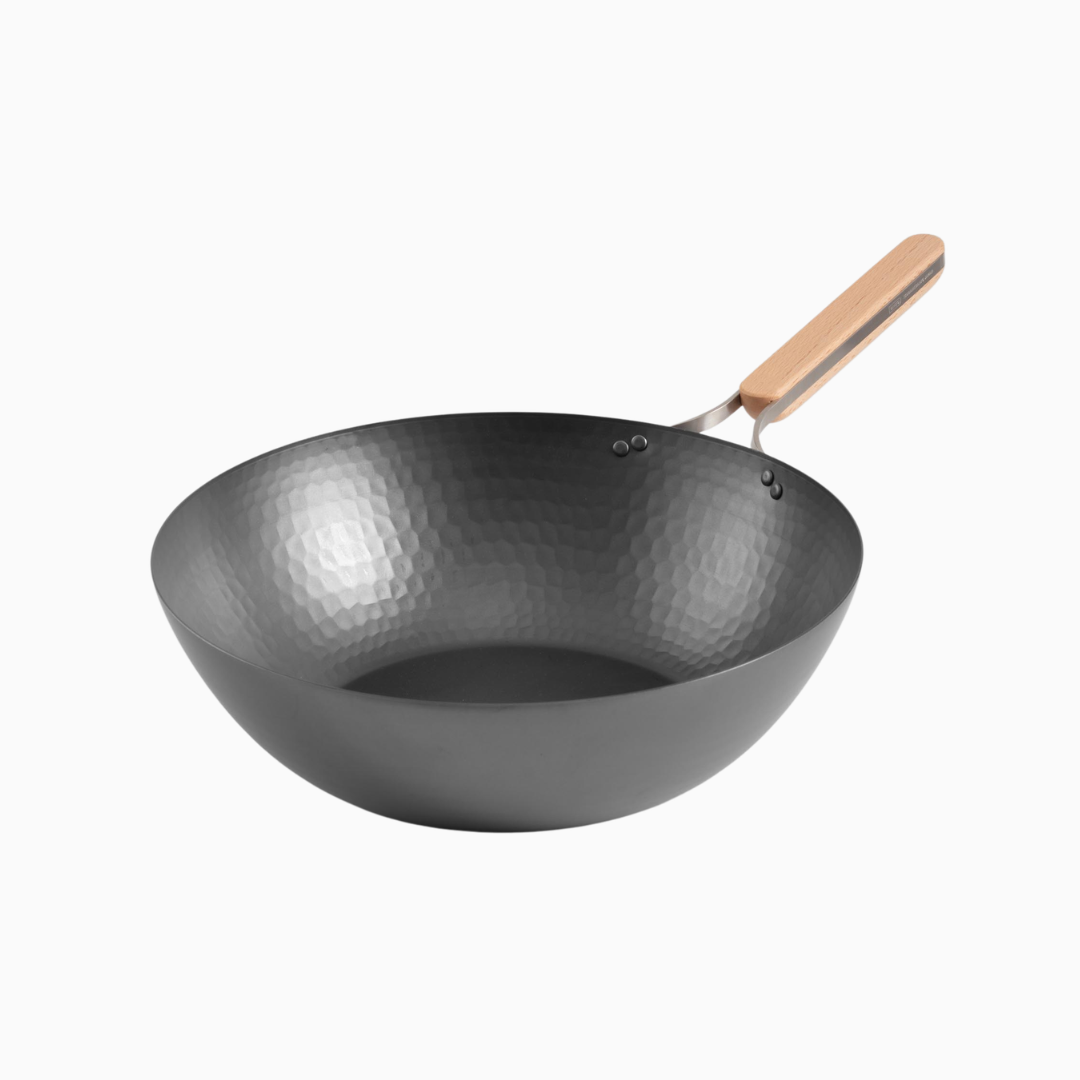
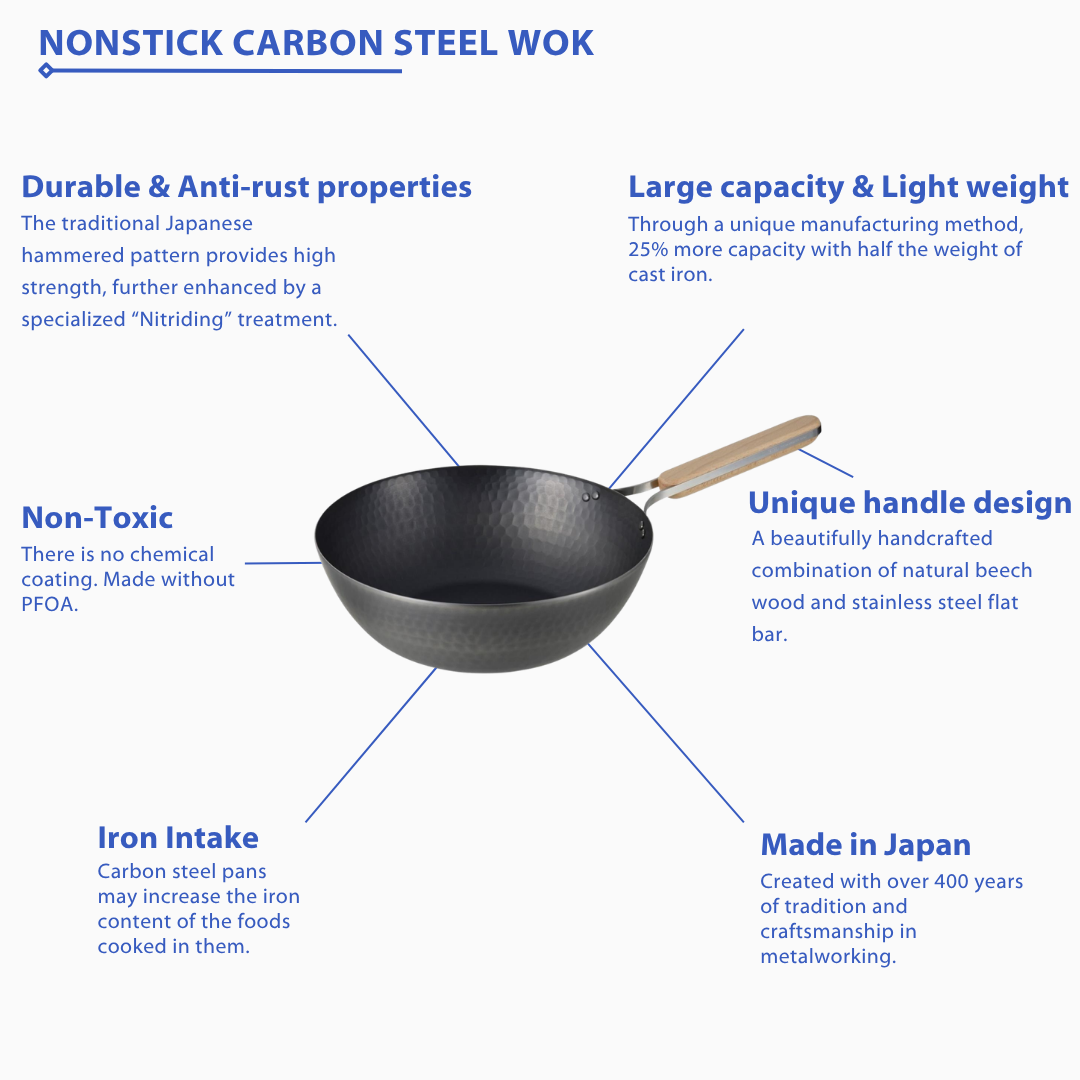
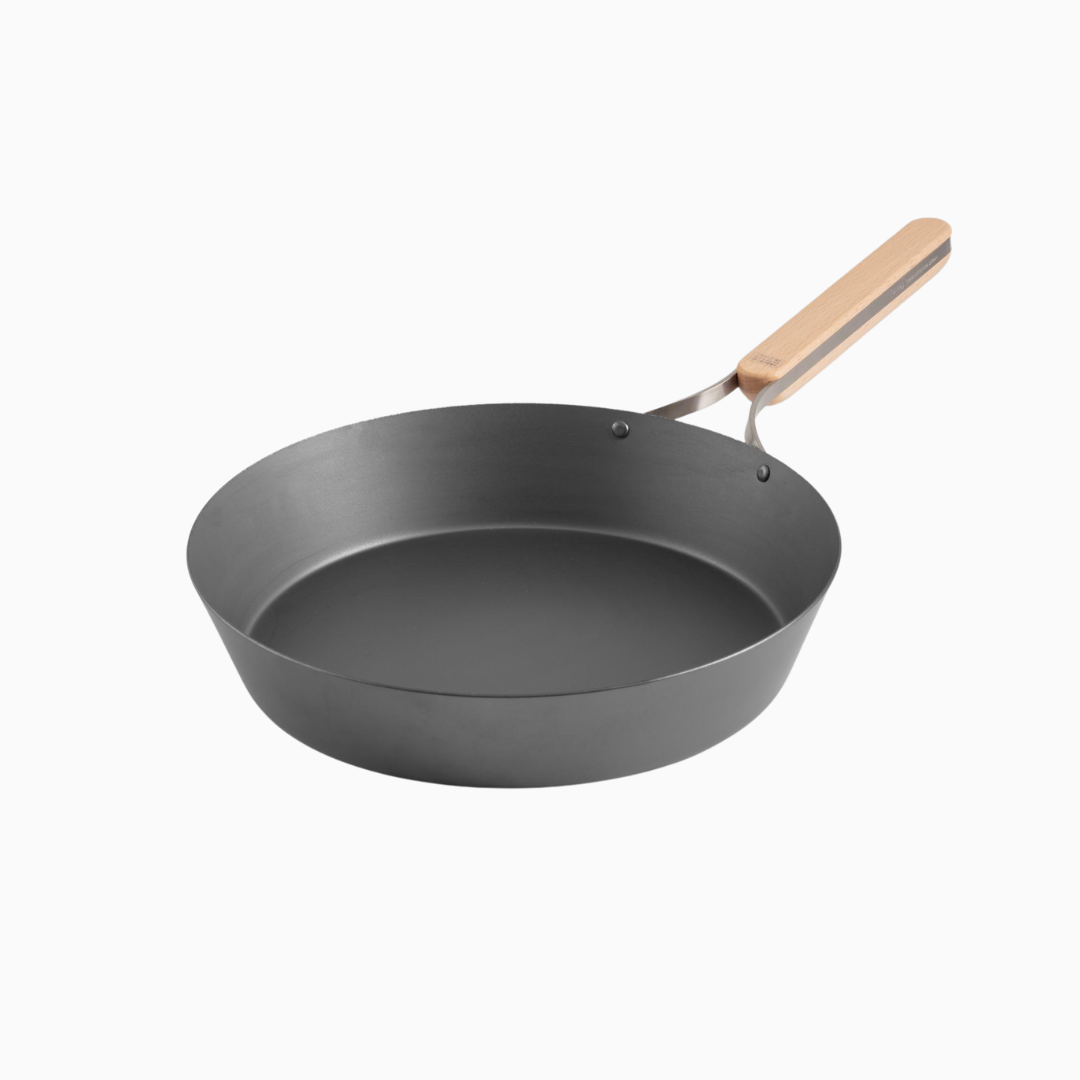
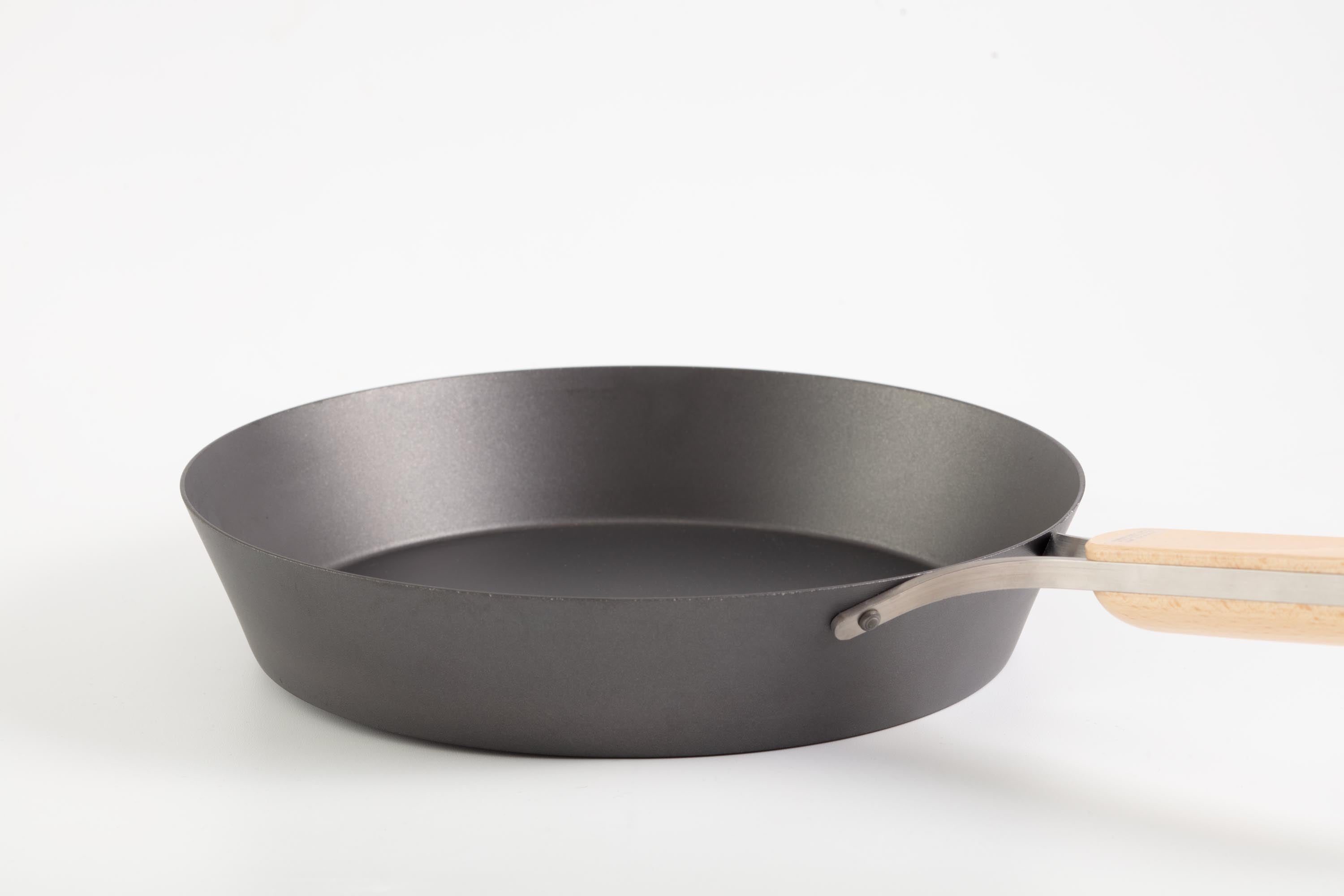
What sets the Enzo apart is that the steel is nitrided. Nitriding is an eight-hour heat treatment that diffuses nitrogen into the surface of the metal for hardness and corrosion resistance. It is a treatment of the steel itself, not a coating, so there is no PTFE and no PFAS, and the pans are made without PFOA. The practical upshot: the Enzo ships pre-seasoned, so you skip the from-scratch seasoning ritual that classic bare carbon steel demands. It comes in a range of sizes, from an everyday 8-inch to a deep 9-inch pan, with handles in beech and 304 stainless, all made in Tsubame-Sanjō, Japan, a metalworking region with four centuries of history. It is not dramatic. It is useful. If you want to understand the safety story in full, we wrote it up in is carbon steel cookware safe.
de Buyer Mineral B — best for the traditionalist
The French Mineral B is heavy, thick, classic bare carbon steel and a longtime reviewer favorite for heavy-duty work. It needs seasoning from scratch, which some cooks consider a feature and others a chore. If you enjoy building and babying a season, this is a rewarding pan. Matfer Bourgeat, another French maker, is the restaurant standard in this category and asks the same of you.
Lodge cast iron — best on a budget
Cast iron is the most forgiving way into coating-free cooking. Lodge is American, budget-friendly, and comes pre-seasoned out of the box. It is heavier than carbon steel and slower to respond to heat changes, but it holds heat beautifully for searing and is nearly indestructible. For the difference between the two, see carbon steel vs cast iron.
All-Clad stainless — best for no-seasoning cooking
Stainless steel is the true set-and-forget option: no seasoning, dishwasher-friendly, and completely inert. All-Clad is the longtime professional favorite here. Stainless is not non-stick, so eggs and delicate fish take practice and a properly preheated pan, but for sauces, browning, and deglazing, it is hard to beat and it lasts for decades.
Camp two: PFAS-free ceramic coatings (convenient, but they wear)
Ceramic-coated pans give you slick, easy release and light weight without PTFE. They are a genuine option, especially if the daily-egg experience matters more to you than longevity. Just go in with clear eyes: these coatings typically last somewhere in the one-to-three-year range before they lose their non-stick, at which point the pan is done. Buy them as consumables, not heirlooms.
Caraway — best for buyers who want proof
Caraway stands out in this camp for a simple reason: it publishes third-party test results, which is exactly the kind of transparency that makes "non-toxic" mean something. If you are going to buy a coated pan, buying from a brand willing to show its testing is the smart move.
GreenPan — best-known ceramic option
GreenPan helped popularize the category with its Thermolon ceramic coating and is one of the most widely available names in PFAS-free nonstick. Like all ceramic coatings, its slip is best when new and fades with use and heat.
Our Place — best for looks and simplicity
Our Place, maker of the Always Pan, is the design-forward pick: one pretty pan meant to replace several, with a ceramic non-stick surface. It is well marketed and pleasant to use, with the same wear caveat as the rest of the camp.
Xtrema — best for pure ceramic (no metal)
Xtrema is different from the coated pans above: it is solid ceramic all the way through, not a coating over metal. That makes it very inert, though it is not truly non-stick and it behaves more like ceramic bakeware than a slick skillet. A niche pick, but an honest one for anyone who wants to avoid metal entirely.
How to choose
Start with one question: do you want a pan that lasts indefinitely, or a pan that is effortless today? If longevity and value over time win, choose coating-free and accept a little care and a learning curve. Carbon steel like the Enzo is the sweet spot: lighter than cast iron, more capable than stainless for everyday searing and sautéing, and pre-seasoned so the on-ramp is short.
If daily convenience wins and you are comfortable replacing a pan every couple of years, a ceramic-coated pan is reasonable, provided you buy from a maker that publishes its testing. Many kitchens end up with both: a coating-free workhorse for most cooking and one ceramic pan for delicate eggs. There is no wrong answer, only the trade-off you would rather live with.
Frequently asked questions
Is carbon steel cookware non-toxic?
Yes. Carbon steel is just iron and a little carbon with no synthetic coating, so there is no PTFE or PFAS. Its non-stick comes from seasoning, a baked-on layer of oil. Julien's Enzo pans are nitrided carbon steel, made without PFOA, and ship pre-seasoned.
Do ceramic non-stick pans wear out?
Yes. PFAS-free ceramic coatings are convenient but they degrade with use and heat, typically losing their non-stick over one to three years. Coating-free metal has nothing to wear off, so it lasts indefinitely with basic care.
What does "non-toxic" actually mean on cookware?
On its own, not much, because the term is unregulated. Trust it only when the pan has no coating at all, or when the brand publishes independent third-party testing of the coating it uses.
Does carbon steel have any downsides?
A couple. It reacts with very acidic foods, which can strip seasoning and leave a faint metallic note, so save long tomato simmers for stainless. It also needs to be dried and lightly oiled after washing, or it can rust.